Ninety One - The end of easy globalisation
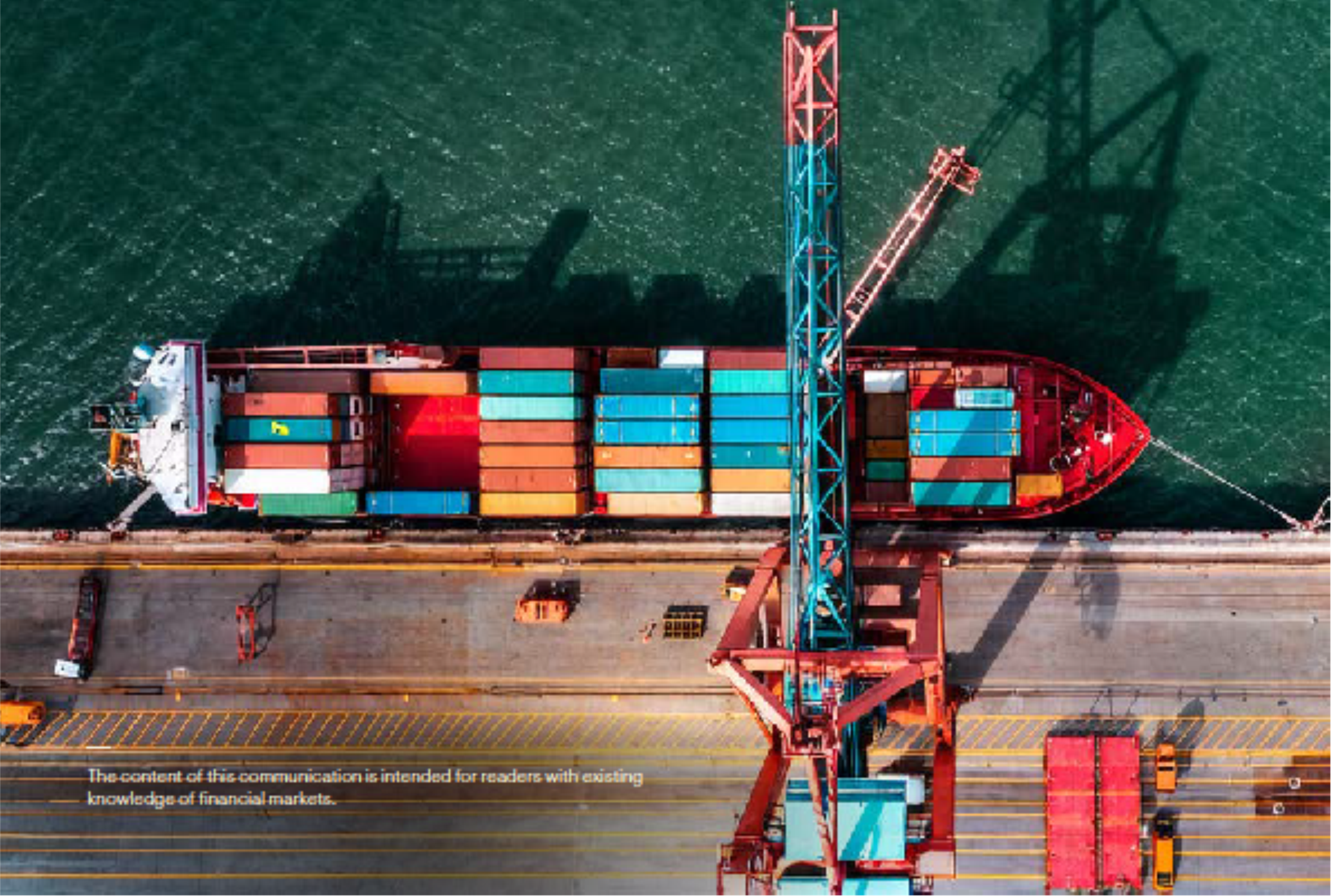
Easy globalisation is over: multipolarity, bottlenecks and public dissatisfaction are reshaping the world. For investors, that means old assumptions are less reliable and resilience matters more.
The 2020s are not volatile. They are structurally different.
Key takeaways
- Globalisation is no longer happening on easy mode
The model of global integration built on unipolar geopolitics, cheap energy and political consensus is no longer stable. - Multipolarity, bottlenecks and dissatisfaction are the key drivers
Three drivers for the 2020s: multipolar geopolitics under a nuclear constraint; a shift from commodity abundance to bottlenecks; deepening public dissatisfaction. - We remain in a ‘crisis of global integration’
This is the fourth systemic crisis since 1900. - Portfolios are still anchored in the past
Diversification based on stable correlations – particularly between equities and bonds – is less reliable, inflation is more episodic; political and economic outcomes diverge more sharply across countries and sectors. - Portfolios will need to change
Portfolios must be prepared for higher volatility, fatter tails and greater dispersion, rather than a single benign macro baseline.
Important information
The value of investments, and any income generated from them, can fall as well as rise. Where charges are taken from capital, this may constrain future growth. Past performance is not a reliable indicator of future results. If any currency differs from the investor's home currency, returns may increase or decrease as a result of currency fluctuations. Investment objectives and performance targets are subject to change and may not necessarily be achieved, losses may be made.
May 2026
Please note that these are the views of Ninety One and should not be interpreted as the views of RL360.